Crafting Killer Game Trailer Openings
Let's face it: in today's oversaturated gaming market, getting people to watch your trailer is half the battle. With thousand of game trailers dropping every month, how do you make yours stand out? The secret lies in the hook – those crucial first seconds that grab viewers and refuse to let go.
Why Hooks Matter
Over 1000 trailers are published every month. The average gamer isn't sitting around watching 30 trailers a day. You've got a split second to convince them your game is worth their time. That's where a killer hook comes in.
In classic storytelling, you'd start with exposition – setting the scene, introducing characters, all that good stuff. But in trailers? You need to hit hard and fast. Sure, exposition matters, but it needs to either BE the hook or come right after something attention-grabbing.
The Art of the Hook
The goal of your trailer's opening is simple: capture attention and make viewers want to see what happens next. To achieve this, you've got a whole toolbox of techniques at your disposal:
Visual Impact: Use striking imagery or unexpected scenes to grab the eye.
Audio Cues: A recognizable song or an intriguing sound effect can work wonders.
Narrative Intrigue: Set up a mystery or a cliffhanger that begs to be resolved.
Emotional Appeal: Hit them with strong feelings right out of the gate.
Kinetic Energy: Sometimes, pure action and movement are enough to hook viewers.
Your first few frames should aim to surprise, intrigue, or captivate through sheer dynamism. The main effect you're after? Making the player think, “I need to know what happens next!”
Hooks in Action
Now, let's look at some real-world examples of effective hooks:
The Mini-Teaser: Start your trailer with a rapid-fire montage of action scenes before diving into the main content. It's like a promise of excitement to come.
The Ticking Time Bomb: This hook creates instant suspense by showing an action that's clearly leading to a big payoff. It's like lighting a fuse or watching a crack spread across the ground. You know something explosive is coming, and you can't look away. This technique taps into our natural curiosity and desire for resolution, making viewers stick around to see the inevitable climax.
The Familiar Made Strange: This hook takes something well-known or everyday and presents it in an unexpected or surreal way. By twisting the familiar into something unusual, it creates an immediate sense of intrigue. This technique plays with viewers' expectations, making them do a double-take and wonder what other surprises might be in store. It's an effective way to make even common elements feel fresh and captivating. While a giant monster in a city might not turn heads anymore, a gigantic sports star in a sport game can still grab attention and pique curiosity.
POV Immersion: This technique throws the viewer directly into the action from a first-person perspective right from the start. By putting the audience "behind the eyes" of the protagonist, it creates an immediate sense of involvement and urgency. Whether it's looking down the barrel of a gun or experiencing a high-speed chase, this approach instantly conveys the intensity and pace of the game, making the viewer feel like they're already playing.
The Rewind Hook: This technique opens with a dramatic or intense scene, then suddenly reverses time. It starts at the climax and works backward, creating instant intrigue. By showing the payoff first and then rewinding, it sparks curiosity about how events led to that moment. This approach makes viewers want to watch the whole trailer to understand the sequence of events and see how it all comes together.
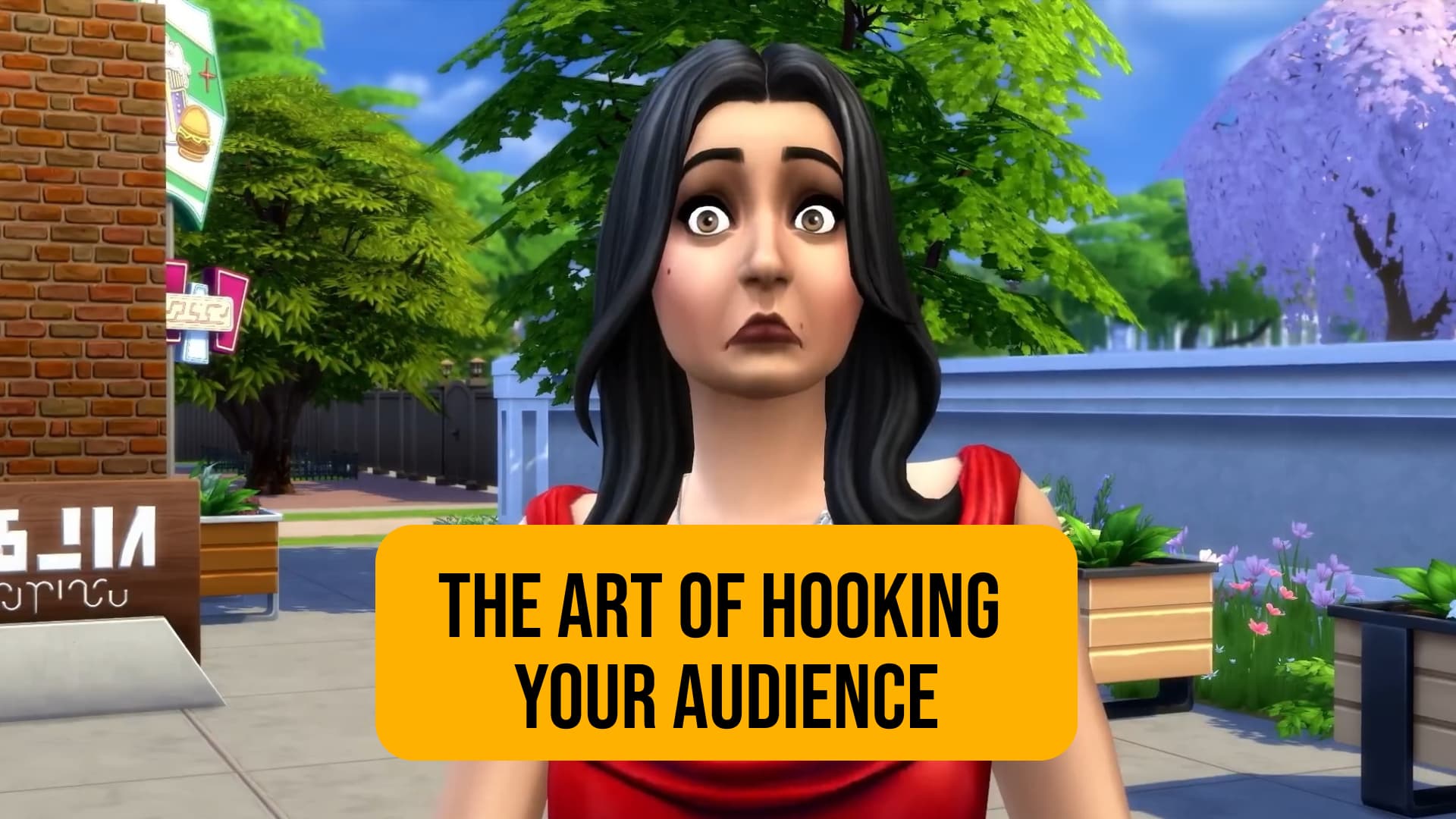
The Character's Surprise: This hook presents something so unusual or unexpected that even the game's characters or characters of the trailer are taken aback. When a character who's familiar with the game world is surprised, it immediately grabs the viewer's attention. This creates instant intrigue and makes the audience curious to learn more.
The Immediate Threat: This hook opens by showcasing something the viewer instantly recognizes as dangerous. By presenting an immediate peril or threat, the trailer immediately raises the stakes and captures attention. This technique taps into our instinctive response to danger, creating instant tension and making the viewer want to see how the characters will react or overcome the threat.
The Hero's Defeat: This hook plunges the viewer directly into a climactic battle scene where the protagonist is losing. Without any setup or exposition, we're thrown into the heart of the action at its most dire moment. Seeing the hero struggle or fail immediately creates tension and raises questions. It subverts expectations, making the audience wonder how the hero will overcome this setback.
The Climax Freeze-Frame: This hook opens with a climactic scene, freezing the action just before its peak moment. It creates instant suspense by showing the characters on the brink of a crucial event. Then, the trailer rewinds or shifts to explain how the story reached this point.
The Intriguing Title: This hook uses a compelling title or tagline at the beginning of the trailer to set expectations and create curiosity.
The Familiar Track: This hook leverages a popular, recognisable song to instantly grab the viewer's attention. From the first notes, the familiar music creates an immediate emotional connection, making the audience want to stick around at least to hear more of the song they love. It's then up to the visuals to surprise and intrigue the viewer, building on the engagement created by the music. This technique combines the power of audio nostalgia with visual storytelling, creating a multi-sensory hook that's hard to resist.
The Combo Hook: This technique combines multiple attention-grabbing elements for maximum impact. By blending a recognisable song, intense action in the first few seconds, and dynamic visuals, it creates a multi-layered hook. This approach engages the viewer on multiple levels simultaneously - auditory, visual, and emotional - making it even more compelling and difficult to ignore.
Gameplay Trailer Techniques
While these techniques work wonderfully for cinematic trailers, what about gameplay trailers? You might have fewer tools at your disposal, but the principles remain the same: surprise, intrigue, and evoke emotion.
If you have the budget, consider opening with a CGI scene, an Unreal Engine sequence, or some slick motion design before transitioning into actual gameplay. This approach gives you the best of both worlds — a cinematic hook followed by authentic game footage.
But what if that's not an option? Find your tools. Use motion graphics or titles to add intrigue to pure gameplay footage.
The key is to leverage your game's unique features to their fullest potential. Remember, your gameplay is what makes your game special, so showcase it in the most captivating way possible.
Start with a Bang: Open with your most exciting or visually impressive gameplay moment.
Tease Unique Mechanics: If your game has an innovative feature, hint at it right away to pique curiosity.
Emotional Resonance: Even in gameplay, focus on moments that elicit strong emotions - be it awe, excitement, or tension. Just surprise your viewer!
Remember, whether it's a cinematic masterpiece or raw gameplay footage, your goal remains the same: make the viewer think, “I need to see more of this game!”
Pitfalls to Avoid
Remember, those first seconds are precious. Don't waste them on things players don't care about, like studio logos. If you must include them, find creative ways to integrate them into your hook.
The long opening scenes and prominent logos at the start are a luxury reserved for those who've already won their audience's trust. When a new cinematic drops from big names like League of Legends or Apex Legends, people will watch regardless. Why? Because these audiences know they're in for a visually stunning and captivating story.
The Bottom Line
Whether you're crafting a cinematic masterpiece or showcasing raw gameplay, your trailer's opening moments have one job: make the viewer need to see what comes next. Surprise them, intrigue them or sweep them up in the action – just make sure you grab them fast.
Remember, the best hooks often combine multiple techniques or come up with something entirely new. So get creative, think about what makes your game unique and craft an opening that demands attention!